26
Feb
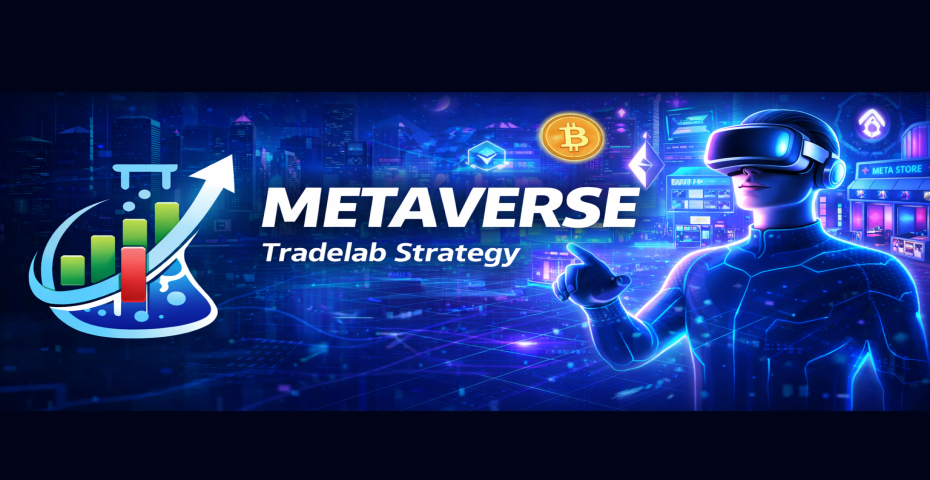
Metaverse Technology: The Future of Digital Interaction
By Tradelab Strategy
The Metaverse is one of the most transformative digital concepts of the modern era. It represents a persistent, immersive virtual world where people can work, socialize, trade, learn, and interact through digital avatars.
At Tradelab Strategy, we study the Metaverse as a convergence of multiple advanced technologies — including blockchain, virtual reality, augmented reality, artificial intelligence, and digital economies.
What Is the Metaverse?
The Metaverse is a shared virtual universe that combines:
-
🌐 The Internet
-
🥽 Virtual Reality (VR)
-
📱 Augmented Reality (AR)
-
🧠 Artificial Intelligence (AI)
-
🔗 Blockchain Technology
It allows users to enter digital spaces using avatars and interact in real time, just like in the physical world.
Unlike traditional social media, the Metaverse focuses on immersive experience rather than just content consumption.
Core Technologies Behind the Metaverse
1️⃣ Virtual Reality (VR)
VR creates fully immersive digital environments through headsets and 3D simulations.
2️⃣ Augmented Reality (AR)
AR overlays digital elements onto the real world through mobile devices or smart glasses.
3️⃣ Blockchain
Blockchain enables:
-
Digital ownership
-
NFTs
-
Secure virtual transactions
-
Decentralized economies
4️⃣ Artificial Intelligence
AI powers:
-
Smart avatars
-
Virtual assistants
-
Automated environments
-
Personalized experiences
5️⃣ 3D Modeling & Game Engines
Advanced engines create realistic digital worlds and interactive spaces.
Key Features of the Metaverse
-
🌍 Persistent virtual worlds (always active)
-
👤 Digital identity through avatars
-
💰 Virtual economies
-
🏢 Virtual real estate
-
🎮 Interactive gaming and social spaces
-
🛍 Digital commerce
Metaverse and Digital Economy
The Metaverse introduces a new form of economy where users can:
-
Buy and sell digital land
-
Trade NFTs
-
Offer services
-
Build businesses
-
Create virtual stores
-
Earn through play-to-earn models
Blockchain ensures that digital assets are owned by users, not centralized companies.
Industries Being Transformed
🏢 Business & Remote Work
Virtual offices and meetings in 3D environments.
🎮 Gaming
Fully immersive multiplayer experiences.
🛒 E-Commerce
Virtual shopping with interactive product visualization.
🎓 Education
Interactive learning in simulated environments.
🎤 Entertainment
Virtual concerts, events, and experiences.
Advantages of Metaverse Technology
-
Global accessibility
-
New income opportunities
-
Digital ownership
-
Enhanced remote collaboration
-
Innovative marketing channels
Challenges of the Metaverse
-
High hardware requirements
-
Privacy and security concerns
-
Regulatory uncertainty
-
Digital addiction risks
-
Infrastructure limitations
The Future of the Metaverse
The future may include:
-
AI-powered smart cities
-
Decentralized virtual governments
-
Fully tokenized digital economies
-
Cross-platform interoperability
-
Integration with Web3 ecosystems
As internet technology evolves, the Metaverse could become the next generation of the web — often referred to as Web3.0.
Final Thoughts
The Metaverse is more than a trend — it represents the merging of digital and physical realities. It creates new opportunities for businesses, investors, creators, and traders.
Share
Latest blogs
NOVAVERSE
26 Feb 2026
Decentralized Finance
26 Feb 2026
What Is Quantum Technology?
26 Feb 2026
What Is Artificial Intelligence?
26 Feb 2026